
Building Connection, Engagement, and Performance Across Distributed Teams

Introduction
The way we work has fundamentally changed, and with it, the way we connect, motivate, and recognize our people. The shift to hybrid and remote models offers unprecedented flexibility, but it also introduces complex challenges in maintaining engagement, fostering a cohesive culture, and ensuring equitable recognition. This playbook is for forward-thinking HR and people leaders navigating this new reality. It offers clear, data-driven, and actionable guidance to design and implement reward and recognition programs that don’t just compensate but truly connect distributed teams.
At its core, this playbook is about helping you build bridges—not just through technology or transactions, but through thoughtful, flexible programs that make every team member feel valued, seen, and included. Drawing on industry data, best practices, and our experience in powering global rewards programs, you’ll find the strategies and tools needed to close engagement gaps, combat proximity bias, and strengthen your culture, no matter where your employees are located. Today’s workforce demands more than one-size-fits-all rewards. The organizations that master personalization, equity, and accessibility will not only retain top talent but will also inspire stronger performance, deeper loyalty, and a more connected and resilient culture.
Table of Contents
- Why Hybrid Recognition Matters: The New Cultural Connector
- The Core Pillars of a Flexible & Modern Rewards Program
- Designing Recognition That Reaches Everyone
- Data, Compliance, and Global Equity
- Building the Business Case for a Modern Rewards Program
- Case Studies in Action: Real-World Success Stories
- Your 90-Day Implementation Roadmap
- The Future of Recognition: Trends to Watch
- Conclusion: The Future of Work is Recognized
- References
- Bonus: Downloadable Checklists
1. Why Hybrid Recognition Matters: The New Cultural Connector
The move to hybrid and remote work is fundamentally reshaping the employee experience. While flexibility is valued, it also introduces new challenges in maintaining connection to the organization, peers, and engagement. Recognition is no longer just a bonus—it’s the new cultural connector.
The Engagement Gap in Distributed Teams
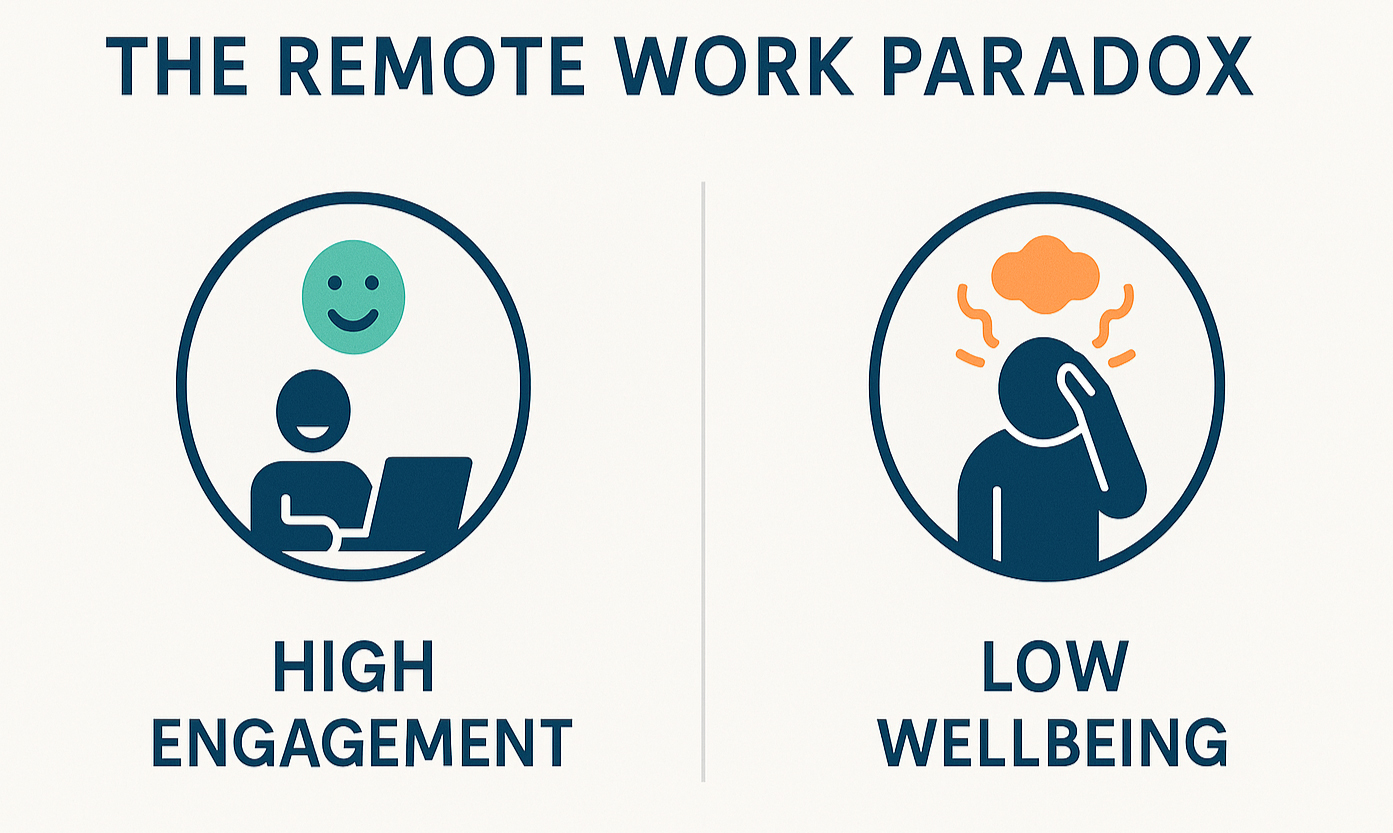
Let’s be honest—keeping people connected in a hybrid or remote environment isn’t easy. The data proves that theory out. Fully remote employees may report the highest engagement levels, yet many also struggle with lower wellbeing, higher stress, and more isolation. That’s the “remote work paradox” in action: employees can be engaged in their work but still feel disconnected from their teams and culture [1].
Hybrid workers face a different challenge. Only about a quarter of them feel truly engaged, and that disengagement carries a heavy price—an estimated $8.9 trillion in lost global productivity each year. That’s not just a statistic; it’s a wake-up call for leaders.
Recognition plays a critical role in organizations. When employees feel genuinely seen and appreciated, your retention rates go up and they stay longer. They contribute more, and advocate for their organization. In contrast, when recognition is inconsistent or impersonal, even engaged employees start looking elsewhere. Nearly six in ten fully remote workers are actively or passively seeking new jobs—but that number drops to just under four in ten when people are both engaged and thriving.
The takeaway is clear: recognition isn’t a perk—it’s a strategic lever. In a world where physical distance can quickly turn into emotional distance, intentional recognition bridges the gap. It reminds people that their work matters, their contributions count, and they belong to something bigger than themselves.
2. The Core Pillars of a Flexible & Modern Rewards Program
The most effective reward programs don’t just distribute perks—they create connection, motivation, and trust. To do that, flexibility and choice have to be at the foundation. Today’s workforce spans time zones, generations, and personal preferences, so your program must meet people where they are.

Here are the pillars that keep a modern rewards strategy both inclusive and impactful:
3. Designing Recognition That Reaches Everyone
Building a recognition program that truly connects across hybrid teams requires more than good intentions—it takes strategy, empathy, and the right mix of tools. Here’s how to design recognition that feels personal, fair, and consistent:

- Embrace Both Public and Private Recognition: While some employees thrive on public praise in team meetings or Slack channels, others appreciate a quiet, sincere note from their manager. Research from the O.C. Tanner Institute shows that 70% of employees value personalized recognition most. Ensure that recognition fits the individual, not the other way around, by offering both public and private options.
- Empower Peer-to-Peer Appreciation: Recognition is not just a top-down function. When employees are offered the opportunity to celebrate each other’s contributions, it builds belonging and strengthens culture. Peer recognition platforms make this simple and inclusive, ensuring appreciation doesn’t depend on hierarchy or visibility.
- Use Technology to Create Equity: Technology is your ally in bridging the hybrid divide. Modern recognition platforms make it easy for everyone—regardless of time zone or office presence—to give and receive recognition. They also provide the analytics to surface patterns or blind spots, helping leaders ensure recognition is truly inclusive.
- Personalize Rewards Around What Matters Most: The data is clear: employees want different things. Sixty-six percent want bonuses, but only 28% receive them. Forty-two percent want time off, but just 15% get it [2]. Closing that gap starts with choice. From digital gift cards and experiences to charitable donations or flexible time off—personalization turns recognition into genuine motivation.
- Make It Timely and Consistent: Recognition loses impact when it’s delayed. The best programs automate key moments—project completions, anniversaries, milestones—so appreciation happens when it matters most. Quick, consistent acknowledgment reinforces the behaviors and values that move your culture forward.
4. Data, Compliance, and Global Equity
Responsible program design is crucial for the success of any recognition initiative. This includes a focus on governance, security, and fairness. In a hybrid world, equity is not automatic—it must be designed into every aspect of your recognition program.
Addressing Proximity Bias
Proximity bias—favoring physically present employees—is a significant hybrid challenge. SHRM research shows 42% of managers admit to this bias [3]. Remote employees risk being overlooked, even when their contributions equal on-site colleagues. HR leaders must be intentional about equitable recognition practices: set clear criteria, use data to track patterns, and train managers on recognizing remote employees effectively.

Building Trust Through Transparency
Transparency is the foundation of trust. Employees need to understand how recognition decisions are made, who is eligible, and how the program is governed. This is especially important globally, where cultural norms around recognition vary. Clear communication of rules and criteria ensures all employees feel the program is fair and accessible.
Navigating Tax and Compliance Considerations
Navigating the financial and legal complexities of rewards is a major concern for HR. While you should always consult with a qualified tax professional, understanding the basics is a good starting point. Generally, most rewards given to employees are considered taxable income. Here’s a high-level overview:
Disclaimer: This information is for educational purposes only and does not constitute tax or legal advice. Please consult with a professional advisor for your specific situation.
Leveraging Data for Continuous Improvement
Data is powerful for ensuring equity and effectiveness. Track key metrics—who receives recognition, how often, and why—to identify gaps or biases. This data reveals which rewards employees value most, enabling data-driven adjustments. ADR’s technology and expertise help design and manage programs that are both effective and equitable, providing insights to build a culture of recognition that works for everyone.
5. Building the Business Case for a Modern Rewards Program
Securing executive buy-in and budget for a new or refreshed rewards program requires a compelling, data-driven business case. HR leaders must move the conversation from recognition as a “nice-to-have” expense to a strategic investment in human capital with a clear return on investment (ROI). This section provides a framework to help you build that case.
The High Cost of Disengagement
Start by framing the problem in financial terms. A disengaged workforce is not just a cultural issue; it’s a significant drain on resources. Use industry benchmarks and your own company data to quantify the cost.
Organizations with a culture of recognition are 2.5 times more likely to see improved employee engagement.

A ROI Calculation Framework
While the full impact of recognition can be hard to quantify, you can create a powerful estimate by focusing on key metrics. The goal is to show that the cost of the program is significantly less than the cost of inaction.
Putting it together:
(Reduced Turnover Cost + Productivity Gains) – Program Cost = Estimated ROI
To simplify this process, we’ve created an interactive ROI calculator that helps you estimate the financial impact of a strategic rewards program. Calculate your potential ROI here.
Stakeholder Presentation Template
Use the following outline to structure your presentation to senior leadership:
- The Current State: Present data on your company’s current engagement, retention, and productivity metrics. Highlight the financial impact of any negative trends.
- The Opportunity: Introduce strategic recognition as a proven lever for improving these metrics. Use key statistics from this playbook and other industry sources.
- The Proposed Solution: Outline the core pillars of your proposed rewards program (digital, flexible, equitable). Explain how it addresses the shortcomings of your current approach.
- Program Goals & KPIs: Define clear, measurable goals (e.g., “Increase employee retention by 10%,” “Improve engagement scores by 15%”).
- The Financial Case: Present your estimated ROI calculation, showing that the program is a sound financial investment.
- Implementation Plan: Briefly outline the 90-day implementation roadmap (detailed in the next section) to demonstrate a clear path to execution.
- The Ask: Clearly state the budget and resources required.
6. Case Studies in Action: Real-World Success Stories
Theory and data are powerful, but seeing strategies in action provides a tangible vision of success. Here are two anonymized case studies illustrating how organizations have transformed their engagement and culture through modern recognition programs.

Case Study 1: Conquering Proximity Bias in a Hybrid Tech Firm
- The Problem: A fast-growing software company with a hybrid work model discovered a troubling trend in their engagement data. Remote engineers were receiving, on average, 30% fewer non-monetary recognitions than their in-office counterparts. This was leading to feelings of isolation and a noticeable dip in morale among remote staff, with voluntary turnover for remote engineers tracking 10% higher than for in-office staff.
- The Solution: The HR team partnered with a rewards platform provider to launch a new, centralized recognition program. Key features included:
- A peer-to-peer nomination system that was heavily promoted in all-company channels.
- Automated milestone and anniversary recognitions to ensure no one was missed.
- Manager dashboards that provided visibility into recognition patterns, allowing leaders to spot and correct inequities in real-time.
- The Result: Within six months of launching the new program, the recognition gap between remote and in-office engineers was virtually eliminated. The company saw a 15% improvement in retention among remote engineers and a significant increase in positive sentiment in their quarterly pulse surveys.
Case Study 2: Re-Engaging a Dispersed Global Sales Team
- The Problem: A multinational corporation was struggling with engagement across its global sales team, which was spread across 15 countries. Their annual sales contest, which offered a single, high-value prize, was failing to motivate the majority of the team. Engagement was low, and the company was concerned about retaining top performers who felt their consistent efforts went unnoticed.
- The Solution: The company replaced its monolithic sales contest with a flexible, points-based recognition program. Salespeople could now earn points for a wide range of activities, from closing deals to mentoring junior team members. The points could be redeemed from a global rewards catalog that included everything from local digital gift cards and experiences to merchandise and charitable donations.
- The Result: The new program was a resounding success. Participation in incentive programs increased by 50%, and the company saw a 20-point increase in employee engagement scores within the sales division. Crucially, the company was able to retain 95% of its top-performing sales talent that year, citing the new, more equitable recognition program as a key factor in their decision to stay.
7. Your 90-Day Implementation Roadmap
Transforming your recognition program is a strategic initiative, not an overnight fix. This 90-day roadmap breaks the process down into manageable phases, guiding you from initial discovery to a successful launch.

Phase 1: Discovery & Audit (Days 1-30)
Goal: To understand the current state of recognition at your organization and identify key opportunities for improvement.
Phase 2: Design & Vendor Selection (Days 31-60)
Goal: To design a program that aligns with your goals and select the right technology partner to power it.
Phase 3: Launch & Communication (Days 61-90)
Goal: To successfully launch the new program and ensure high adoption and engagement from day one.
8. The Future of Recognition: Trends to Watch
As the world of work continues to evolve, so will the strategies we use to engage and recognize our people. Staying ahead of these trends will empower you to build a program that is not just current, but future-proof. Here are three key trends to watch.

- Hyper-Personalization at Scale: The future of rewards is moving beyond simple choice to true personalization. Imagine a system that knows an employee prefers experiences over things, or that they are saving up points for a specific large item. AI and machine learning will enable platforms to suggest rewards that are uniquely meaningful to each individual, dramatically increasing their impact.
- AI-Driven Insights and Equity: AI will become an essential tool for ensuring fairness and effectiveness in recognition. AI algorithms can analyze recognition patterns in real-time, flagging potential bias (like proximity bias) before it becomes a systemic issue. It can also prompt managers to recognize team members who haven’t received appreciation in a while, ensuring no one falls through the cracks.
- The Integration of Wellbeing: The line between work and life has blurred, and leading companies are recognizing that employee wellbeing is a critical component of a healthy workforce. The future of rewards will see a tighter integration with wellness initiatives. This means offering rewards that support mental, physical, and financial health, such as subscriptions to meditation apps, fitness classes, or sessions with a financial advisor. This holistic approach shows employees that you care about them as whole people, not just as workers.
9. Conclusion: The Future of Work is Recognized
In a world where physical distance can easily become emotional distance, intentional, strategic recognition is the bridge that connects a distributed workforce. It is the mechanism that makes culture tangible, reminds employees that their work matters, and demonstrates that they belong to something bigger than themselves. Building a successful program is not just about giving rewards; it’s about making every employee feel seen, valued, and appreciated, no matter where they work. By embracing flexibility, personalization, and equity, you can build a thriving, connected workforce that is prepared to meet the challenges of the future.
10. References
[1] Gallup, “The Remote Work Paradox: Higher Engagement, Lower Wellbeing,” May 7, 2025. [Online]. Available: https://www.gallup.com/workplace/660236/remote-work-paradox-engaged-distressed.aspx
[2] SHRM, “How Flexible Rewards Programs Boost Employee Engagement,” Dec 1, 2023. [Online]. Available: https://www.shrm.org/topics-tools/news/benefits-compensation/how-flexible-rewards-programs-boost-employee-engagement
[3] Dale Carnegie, “Not Everyone in the Room Where It Happens: Ensuring Equity for Hybrid Team Remote Employees,” Aug 21, 2025. [Online]. Available: https://www.dalecarnegie.com/blog/not-everyone-in-the-room-where-it-happens-ensuring-equity-for-hybrid-team-remote-employees/
11. Bonus: Downloadable Checklists
To help you put these strategies into action, we’ve created two downloadable checklists. These resources are designed to be printed and used by you and your team.
- Download the Employee Rewards Preference Survey Template (PDF)
- Download the Recognition Program Vendor Selection Checklist (PDF)
Want to reference this playbook in the future? Download and save it now.
Questions? Call 866-415-7703.